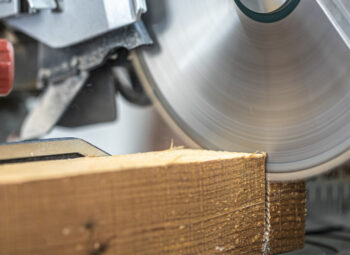




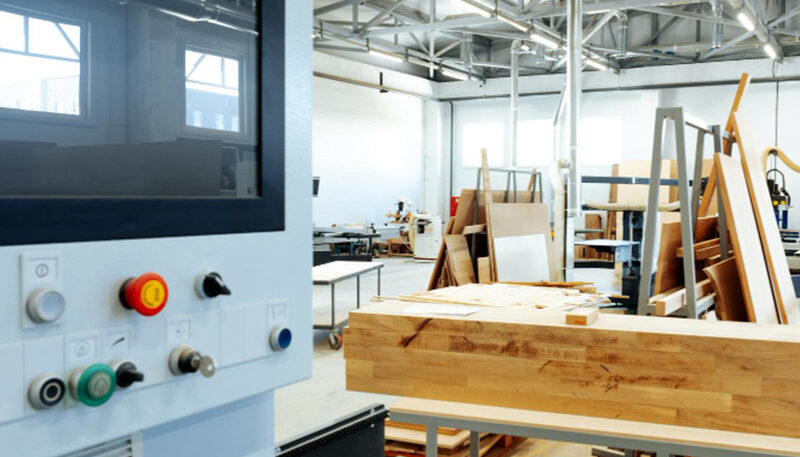
The woodworking industry has experienced a major transformation over the past few years. Traditional woodworking methods are now being replaced by advanced machinery, smart automation, and precision engineering solutions. Modern woodworking machinery is designed to improve productivity, reduce material waste, enhance accuracy, and deliver high-quality finished products for industries such as furniture manufacturing, interior design, construction, and modular kitchens.
Today, manufacturers are investing in innovative woodworking technologies that combine durability, efficiency, and automation. From CNC routers to automated edge banding machines, modern engineering trends are helping businesses achieve faster production with better consistency and lower operational costs.
The Evolution of Woodworking Machinery
Woodworking machinery has evolved significantly from manual cutting tools and semi-automatic equipment to fully automated production systems. Earlier, woodworking processes required heavy labor and consumed more time. However, with modern engineering advancements, machines are now capable of performing multiple operations with extreme precision and speed.
The introduction of computer-controlled systems, digital monitoring, and smart automation has completely changed the way woodworking industries operate. Modern machinery provides accurate cutting, drilling, shaping, sanding, and finishing solutions while minimizing human error.
These engineering developments have improved overall manufacturing efficiency and enabled businesses to meet growing market demands with ease.
CNC Technology Revolution in Woodworking
One of the biggest engineering trends in woodworking machinery is the use of CNC (Computer Numerical Control) technology. CNC woodworking machines have become an essential part of modern manufacturing industries because they offer unmatched precision, consistency, and productivity.
CNC routers and CNC panel processing machines can perform complex cutting and carving operations automatically based on digital designs. This reduces manual effort and increases production speed.
Benefits of CNC Woodworking Machinery
- High precision and accuracy
- Faster production process
- Reduced material wastage
- Consistent product quality
- Lower labor dependency
- Easy customization and design flexibility
Modern CNC systems also support advanced software integration, allowing manufacturers to create detailed designs and execute them with perfect finishing.
Automation and Smart Manufacturing
Automation is another major trend shaping the woodworking machinery industry. Smart manufacturing systems are helping industries improve workflow efficiency and reduce operational costs.
Modern woodworking machines are equipped with automated feeding systems, robotic handling units, and intelligent control panels. These features allow manufacturers to complete large production volumes with minimal human intervention.
Automated woodworking machinery offers several advantages, including:
- Continuous production capability
- Improved workplace safety
- Higher operational efficiency
- Reduced downtime
- Better quality control
Smart sensors and digital monitoring systems are also becoming increasingly common in woodworking machinery. These technologies help operators monitor machine performance, detect maintenance requirements, and prevent unexpected breakdowns.
Energy-Efficient Woodworking Machines
Energy efficiency has become a key focus in modern engineering. Manufacturers are now designing woodworking machinery that consumes less power while delivering maximum performance.
Modern woodworking equipment uses advanced motors, optimized cutting systems, and intelligent power management technologies to reduce energy consumption. This not only lowers electricity costs but also supports environmentally friendly manufacturing practices.
Energy-efficient woodworking machinery helps industries:
- Reduce operational expenses
- Improve machine performance
- Support sustainable production
- Minimize carbon footprint
As industries continue moving toward green manufacturing solutions, energy-saving woodworking machinery is expected to become even more important in the future.
Advanced Dust Collection Systems
Dust management is a critical aspect of woodworking operations. Traditional woodworking processes generate large amounts of wood dust, which can affect worker safety and machine performance.
Modern engineering trends now include advanced dust extraction and filtration systems integrated directly into woodworking machinery. These systems help maintain cleaner work environments and improve overall operational safety.
Benefits of modern dust collection systems include:
- Improved air quality
- Better machine efficiency
- Reduced maintenance costs
- Enhanced worker safety
- Compliance with industrial safety standards
Efficient dust management also helps extend machine lifespan and maintain consistent production quality.
Precision Cutting and Edge Banding Technology
Modern woodworking industries demand high-quality finishing and perfect accuracy. As a result, precision cutting and edge banding technologies have become essential engineering trends.
Advanced panel saws and edge banding machines now use servo motors, laser guidance systems, and digital controls for highly accurate operations. These technologies ensure smooth cutting, clean edges, and professional finishing.
Modern edge banding machines offer:
- Automatic glue application
- Accurate trimming systems
- Smooth finishing quality
- Faster production speed
- Reduced material wastage
These innovations are especially useful for furniture manufacturers and modular kitchen industries that require premium finishing standards.
Integration of Artificial Intelligence and IoT
Artificial Intelligence (AI) and the Internet of Things (IoT) are slowly becoming part of the woodworking machinery sector. Smart machines can now collect data, analyze performance, and optimize production processes automatically.
IoT-enabled woodworking machinery allows manufacturers to monitor machine status remotely and receive real-time maintenance alerts. AI-based systems can also help optimize cutting patterns to minimize material waste.
Key advantages include:
- Real-time machine monitoring
- Predictive maintenance
- Improved production planning
- Better resource management
- Enhanced operational efficiency
These technologies are helping industries move toward fully connected and intelligent manufacturing environments.
Compact and Space-Saving Machine Designs
Modern factories often require machinery that delivers high performance while occupying less space. As a result, compact and multifunctional woodworking machines are becoming increasingly popular.
Engineering innovations now allow manufacturers to combine multiple operations into a single machine. This helps industries save factory space, reduce installation costs, and improve workflow efficiency.
Compact woodworking machinery is ideal for:
- Small manufacturing units
- Custom furniture workshops
- Interior design industries
- Medium-scale production facilities
Despite their smaller size, these machines offer excellent performance and advanced operational capabilities.
Importance of Safety in Modern Woodworking Machinery
Safety is one of the most important engineering considerations in modern woodworking machinery design. Manufacturers are incorporating advanced safety systems to protect operators and reduce workplace accidents.
Modern machines include features such as:
- Emergency stop systems
- Safety sensors
- Automatic overload protection
- Blade guarding systems
- Digital safety monitoring
These safety enhancements improve operator confidence and ensure smooth industrial operations.
Future of Woodworking Machinery Engineering
The future of woodworking machinery engineering looks highly promising. Industries are continuously adopting advanced technologies to improve efficiency, precision, and sustainability.
Future woodworking machinery trends may include:
- Fully automated smart factories
- AI-powered production systems
- Robotics integration
- Cloud-based machine monitoring
- Eco-friendly manufacturing technologies
As customer demands continue to grow, woodworking machinery manufacturers will focus more on innovation, performance, and intelligent engineering solutions.
Conclusion
Modern engineering trends are transforming the woodworking machinery industry in remarkable ways. Advanced CNC technology, automation, smart manufacturing, energy-efficient systems, and precision engineering are helping industries achieve better productivity and superior product quality.
Today’s woodworking machinery is designed not only for speed and efficiency but also for sustainability, safety, and long-term reliability. Businesses that invest in modern woodworking machinery can improve operational performance, reduce costs, and stay competitive in the rapidly evolving manufacturing market.
As technology continues to advance, the woodworking industry will witness even greater innovations that redefine manufacturing standards and open new opportunities for growth.