




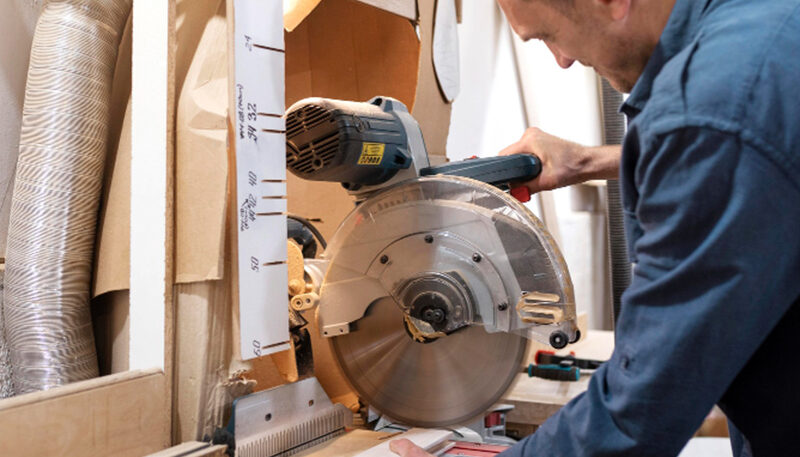
In today’s competitive woodworking industry, precision and efficiency are more important than ever. From furniture manufacturing to modular kitchens, interior décor, and industrial wood processing, businesses rely heavily on advanced woodworking machinery to maintain product quality and increase productivity. Precision engineering plays a vital role in ensuring woodworking machines deliver accurate cutting, smooth finishing, consistent performance, and long-term reliability.
Modern woodworking machinery is designed with advanced engineering technologies that improve operational accuracy, reduce material wastage, and enhance overall manufacturing efficiency. Whether it is a panel saw, edge banding machine, CNC router, thickness planer, or multi-boring machine, precision engineering ensures every machine operates with maximum accuracy and durability.
What is Precision Engineering in Woodworking Machinery?
Precision engineering refers to the process of designing and manufacturing machines with high accuracy, advanced technical standards, and superior operational performance. In woodworking machinery, precision engineering focuses on creating machines capable of delivering exact measurements, smooth cuts, perfect finishing, and reliable repeatability.
Quality woodworking machinery is manufactured using robust components, advanced automation systems, heavy-duty structures, and high-performance control systems. These features help industries achieve better production efficiency while maintaining consistent product quality.
Precision-engineered woodworking machines are widely used in:
- Furniture manufacturing
- Plywood industries
- Interior design workshops
- Modular kitchen production
- Door and window manufacturing
- Decorative panel production
- Wood processing industries
Importance of Precision in Woodworking Machinery
Precision is one of the most important factors in woodworking operations. Even small measurement errors can lead to material wastage, poor product quality, and increased production costs. Precision engineering helps eliminate these issues by ensuring every machine performs accurately and consistently.
1. Accurate Cutting and Finishing
Advanced woodworking machinery provides precise cutting, drilling, shaping, and finishing operations. High-precision systems ensure clean edges, smooth surfaces, and exact dimensions, resulting in superior product quality.
2. Reduced Material Wastage
Precision-engineered machines minimize cutting errors and improve material utilization. This helps manufacturers reduce waste and optimize production costs.
3. Higher Productivity
Modern woodworking equipment is designed for high-speed operations with consistent accuracy. Automated systems reduce manual work and increase production efficiency.
4. Improved Safety
Quality engineering also improves machine safety. Advanced safety features, protective systems, and stable machine structures help reduce workplace accidents and ensure safe operations.
5. Long-Term Reliability
Heavy-duty construction and premium-quality components increase machine durability and operational life. Precision-engineered woodworking machines require less maintenance and provide reliable long-term performance.
Key Features of Precision Woodworking Machinery
Modern woodworking machinery incorporates advanced engineering technologies to meet industrial production requirements. Some important features include:
Heavy-Duty Machine Structure
High-quality woodworking machines are manufactured using rigid steel frames and durable components that provide stability during operations. Strong machine construction reduces vibration and improves cutting accuracy.
Advanced Automation Systems
Automation technology has transformed the woodworking industry. CNC-controlled woodworking machinery allows operators to perform complex cutting, drilling, engraving, and shaping tasks with high precision.
High-Speed Performance
Precision-engineered woodworking machines are designed for fast and efficient operations. High-speed motors and advanced control systems improve production capacity while maintaining excellent accuracy.
User-Friendly Controls
Modern machinery includes digital displays, touch-screen panels, and intelligent control systems that simplify machine operations and improve production management.
Energy Efficiency
Advanced woodworking machinery is designed to consume less power while delivering maximum performance. Energy-efficient systems help industries reduce operational costs.
Types of Precision Woodworking Machinery
Different woodworking applications require specialized machinery designed for specific production tasks. Some commonly used precision woodworking machines include:
CNC Router Machines
CNC routers are widely used for cutting, engraving, carving, and shaping wooden materials. These machines provide exceptional precision and automation for complex woodworking designs.
Edge Banding Machines
Edge banding machines apply protective and decorative edges to wooden panels. Precision engineering ensures smooth finishing and strong edge bonding.
Panel Saw Machines
Panel saw machines are used for accurate cutting of plywood, MDF, particle boards, and wooden sheets. Advanced cutting systems ensure clean and precise results.
Thickness Planers
Thickness planers help achieve uniform thickness and smooth surface finishing for wooden materials. Precision-engineered blades improve finishing quality.
Multi-Boring Machines
These machines are designed for accurate drilling operations in furniture and cabinet manufacturing industries.
Sanding Machines
Precision sanding machines provide smooth surface finishing and improve the overall appearance of wooden products.
Benefits of Investing in Quality Woodworking Machinery
Investing in high-quality woodworking machinery offers long-term advantages for businesses. Precision-engineered equipment improves operational efficiency and helps manufacturers stay competitive in the market.
Better Product Quality
Accurate machinery produces consistent and professional-quality products that meet customer expectations.
Increased Production Capacity
Automated and high-speed machines help businesses complete projects faster and handle large-scale production requirements.
Lower Maintenance Costs
Durable construction and premium components reduce machine wear and maintenance expenses.
Enhanced Business Growth
Reliable woodworking machinery helps manufacturers improve productivity, expand operations, and increase profitability.
Competitive Advantage
Businesses using advanced machinery can deliver better quality products with faster turnaround times, helping them stay ahead in the industry.
Future of Precision Engineering in Woodworking Machinery
The woodworking machinery industry continues to evolve with the integration of smart technologies and industrial automation. Future advancements are expected to include:
- AI-based machine control systems
- Smart production monitoring
- IoT-enabled machinery
- Fully automated woodworking production lines
- Advanced energy-saving technologies
- Robotic material handling systems
These innovations will further improve manufacturing efficiency, reduce operational costs, and increase production accuracy.
Choosing the Right Woodworking Machinery Manufacturer
Selecting the right woodworking machinery supplier is essential for achieving reliable performance and long-term business success. When choosing a manufacturer, consider factors such as:
- Machine quality and durability
- Engineering expertise
- After-sales support
- Technical assistance
- Spare parts availability
- Customization options
- Industry experience
A trusted woodworking machinery manufacturer provides reliable solutions designed to meet industrial production standards and business requirements.
Conclusion
Precision engineering has become the foundation of modern woodworking machinery. Advanced technology, durable construction, and automated systems help manufacturers achieve superior product quality, increased productivity, and long-term operational efficiency.
From CNC routers and panel saws to edge banding and sanding machines, precision-engineered woodworking equipment plays a crucial role in today’s woodworking industry. Investing in quality woodworking machinery not only improves production performance but also helps businesses reduce costs, enhance product quality, and achieve sustainable growth.
As the woodworking industry continues to adopt automation and smart manufacturing technologies, precision engineering will remain essential for delivering innovative, efficient, and reliable woodworking machinery solutions.